
Oxidized Bitumen vs. Penetration Bitumen
Key Differences, Applications, and Export Markets
Bitumen is a fundamental material in both construction and industrial sectors, widely traded across global markets. Among the various types of bitumen, oxidized bitumen and penetration grade bitumen remain two of the most significant due to their distinct properties and applications. Understanding these differences is essential for manufacturers, buyers, and exporters alike.
What Are Oxidized Bitumen and Penetration Bitumen?
Oxidized Bitumen (Blown Bitumen)
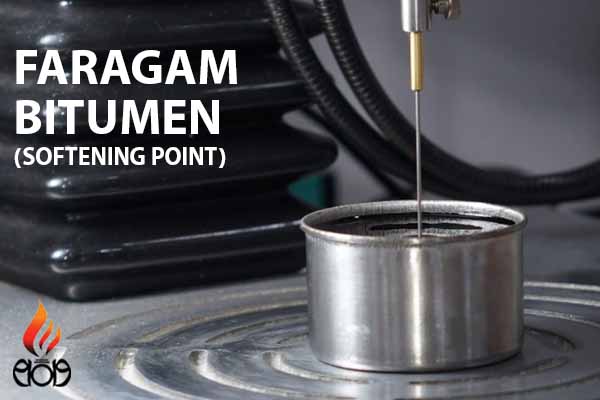
Oxidized bitumen, often called blown bitumen, is produced by introducing hot air into penetration bitumen at elevated temperatures. This oxidation process increases the softening point, reduces penetration values, and enhances heat resistance, making the material harder and more thermally stable.
In practical terms, oxidized bitumen has a higher softening point and lower penetration, resulting in a rigid and durable material ideal for protective applications such as roofing felt, waterproofing membranes, and industrial coatings.
Penetration Bitumen
Penetration grade bitumen, also known simply as penetration bitumen, is a conventionally produced bitumen distinguished by its penetration value—an indicator of consistency or hardness measured under controlled conditions.
Penetration bitumen, such as grades 40/50, 60/70, and 80/100, is more flexible than oxidized bitumen and maintains elasticity across a wider range of temperatures. Its balanced softness and adhesive qualities make it especially suited for road construction and pavement applications.
Key Differences Between Oxidized and Penetration Bitumen
Production Process
The primary distinction lies in the manufacturing process:
-
Oxidized Bitumen: Produced by blowing air into penetration bitumen at high temperatures, deliberately altering its structure to improve thermal resistance and hardness.
-
Penetration Bitumen: Derived from the direct distillation process without modification, preserving its softer and more elastic traits.
Physical Properties and Performance
Oxidized bitumen’s production process results in increased rigidity, heat resistance, and a lower penetration index, while penetration bitumen retains higher flexibility due to its inherent structure.
For example, penetration 60/70 bitumen typically has a medium hardness and excellent flexibility, with a softening point between 48–56°C, making it suitable for road surfacing and asphalt pavements.
“The classification of penetration grade bitumen has been used since the early 19th century to specify the consistency of semi-solid bitumen products. Penetration bitumen from grades like 60/70 provides the necessary balance between hardness and flexibility for road construction.”
Applications in Different Industries
Industrial and Waterproofing Uses (Oxidized Bitumen)
Due to its hardness and heat resistance, oxidized bitumen excels in industrial applications such as:
-
Roofing membranes and waterproofing layers
-
Pipe coating and anti-corrosion systems
-
Adhesives and electrical insulation products
These applications benefit from oxidized bitumen’s durability and resistance to high temperatures. For instance, its enhanced softening point makes it suitable for climates where temperature extremes are common.
Road Construction and Paving (Penetration Bitumen)
Penetration bitumen’s flexibility makes it ideal for asphalt road construction, where movement and temperature fluctuations are constant. Its balance between softness and adhesion allows it to withstand dynamic loads and environmental stresses.
Bitumen 60/70 is widely used in road paving due to its accessibility and strong adhesion between aggregates, contributing to increased mechanical resilience of asphalt.
Export Markets and Regional Demand
Global Demand Dynamics
Different regions exhibit varying preferences based on climatic conditions and infrastructure needs. For example:
-
Warmer climates often favor oxidized bitumen for waterproofing and roofing due to its excellent heat resistance.
-
Regions with extensive road networks, such as Africa and South Asia, prioritize penetration bitumen for flexible pavement solutions.
Trade Opportunities
Exporters who can supply both types of bitumen—tailored to regional requirements—stand to gain in global markets. For instance, European markets may demand high-spec oxidized bitumen conforming to EN standards, while African and Middle Eastern markets often import large volumes of 60/70 penetration bitumen for road construction.
Conclusion: Choosing the Right Bitumen Type
Both oxidized and penetration bitumen have distinct advantages depending on application and environmental conditions. Oxidized bitumen is invaluable where thermal resistance and rigidity are critical, while penetration bitumen is indispensable for road construction and flexible pavement layers.
A thorough understanding of these materials enables manufacturers, buyers, and exporters to select the best product for their needs and optimize performance in local and international projects.


